AI for Climate: Energy Optimization and Environmental Applications
The same technology that powers chatbots and generates art is being applied to humanity's most pressing challenge. AI systems optimize energy grids, accelerate battery development, monitor deforestation in real-time, and design more efficient industrial processes. While AI itself consumes significant energy, the technology's potential to reduce emissions across other sectors may far outweigh its own carbon footprint—if deployed wisely.
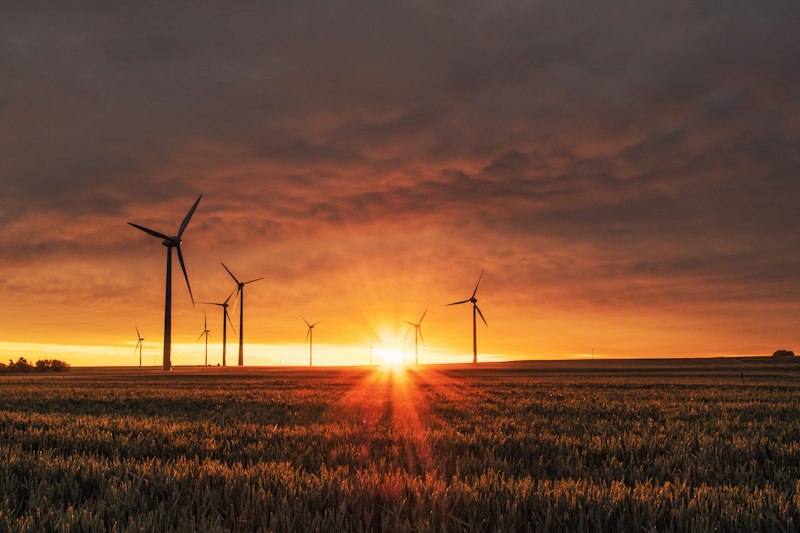
Grid Optimization
Modern power grids face unprecedented complexity. Renewable sources like solar and wind generate power intermittently; electric vehicles create unpredictable demand patterns; distributed generation blurs traditional supply-demand relationships. AI systems are essential for managing this complexity.
Demand Forecasting
Grid operators must balance supply and demand in real-time. AI models that ingest weather forecasts, historical patterns, and real-time sensor data predict demand with unprecedented accuracy. Google's DeepMind demonstrated a 20% reduction in energy used for cooling Google datacenters through AI-optimized control systems.
Renewable Integration
Integrating variable renewable sources into the grid requires predicting their output. AI weather models forecast solar and wind generation hours or days in advance, allowing grid operators to plan accordingly. This predictive capability enables higher renewable penetration than would otherwise be feasible.
# Example: Energy demand forecasting with AI
import pandas as pd
from sklearn.ensemble import GradientBoostingRegressor
from sklearn.preprocessing import StandardScaler

def forecast_demand(historical_data, weather_forecast, features):
    """
    Forecast energy demand based on historical patterns and weather
    """
    # Prepare features
    X = prepare_features(historical_data, weather_forecast, features)
    y = historical_data['demand']

    # Train model
    scaler = StandardScaler()
    X_scaled = scaler.fit_transform(X)

    model = GradientBoostingRegressor(
        n_estimators=500,
        learning_rate=0.05,
        max_depth=6
    )
    model.fit(X_scaled, y)

    # Predict future demand
    future_X = prepare_features_future(weather_forecast, features)
    future_scaled = scaler.transform(future_X)
    predictions = model.predict(future_scaled)

    return predictions

# Features might include:
# - Time of day, day of week, month
# - Temperature, humidity, cloud cover
# - Historical demand patterns
# - Economic indicators
# - Holiday/special event flags
Battery and Materials Discovery
Better batteries are essential for electric vehicles and grid storage. AI accelerates battery development in multiple ways.
Electrolyte Design
The electrolyte in a battery determines its performance characteristics. Traditional development involves synthesizing and testing countless candidates. AI systems predict electrolyte properties computationally, identifying promising candidates before expensive laboratory synthesis.
Cathode Optimization
Battery cathodes determine energy density and cost. AI models trained on materials databases predict performance of novel cathode compositions, narrowing experimental search space dramatically. Stanford's Matter Genome Project has used AI to identify thousands of promising battery materials.
| Application | AI Technique | Impact |
|---|---|---|
| Grid scheduling | Reinforcement learning | 15-25% efficiency gains |
| Demand response | Time series forecasting | 10-20% peak reduction |
| Battery design | Generative models | 10x faster discovery |
| Carbon capture | Molecular simulation | New materials identified |
Environmental Monitoring
AI enables environmental monitoring at scales previously impossible.
Deforestation Detection
Satellite imagery combined with AI can detect deforestation in near real-time. Global Forest Watch uses these techniques to track forest loss globally, enabling rapid response to illegal logging. AI analysis that would take humans months completes in hours.
Wildlife Conservation
Camera traps and acoustic sensors generate enormous amounts of data. AI systems identify species, count populations, and detect poaching activity. These tools are transforming conservation efforts from reactive to proactive.

The Energy Cost of AI
Despite its environmental benefits, AI itself consumes significant energy. Training frontier models requires megawatt-hours of electricity. Running inference for billions of daily queries adds substantially to global electricity consumption.
The AI industry is addressing this through hardware efficiency improvements, renewable energy procurement, and more efficient model architectures. But as AI adoption expands, total energy consumption will likely increase. The key question is whether AI's emissions reduction impact elsewhere exceeds its own footprint—the current evidence suggests it may, but careful measurement remains essential.